
Why picking a photo app for selling items is a different problem than it looks
Searching for a photo app for selling items usually starts with a simple goal: get clear, honest pictures of something up for sale and get them in front of a buyer quickly. But the tools built for this job vary a lot in what they actually do. Some are pure camera-and-crop utilities. Others bundle editing, background removal, watermarking, or direct posting to a marketplace. Knowing which category you need before you download anything saves time and avoids apps that promise more than they deliver.
The core tension is between speed and accuracy. A listing photo needs to load fast, look presentable, and represent the item as it actually is. Apps that lean too hard into filters, heavy retouching, or automatic 'enhancement' can quietly misrepresent condition, color, or size in ways that create disputes with a buyer later. The most useful photo app for selling items is usually the one with the fewest surprises, not the one with the most features.
- Check whether the app edits automatically by default, or only when you choose to
- Look for a simple way to compare the edited photo against the original
- Confirm the app lets you export full-resolution images, not just compressed previews
The limits that matter before you act
There are a few limits worth understanding before relying on any photo app to sell something. First, no app can verify the truthfulness of what's shown in a photo; that responsibility stays with the seller. Second, most consumer photo tools are not built with resale disputes, fraud claims, or buyer protection in mind, so an app's editing history or metadata may not hold up as evidence if a disagreement arises later. Third, features like background removal or lighting correction can make an item look better than it is in person, which creates real risk of returns, complaints, or platform penalties if the difference is significant.
It's also worth remembering that a photo app is a tool, not a guarantee of a sale. Good lighting, an honest angle, and a plain background usually do more for a listing than any editing feature. If the item involves other people in the frame, such as a shared household item or something being sold on someone else's behalf, get their agreement before the photo is taken or posted anywhere public.
A worked example: choosing between three types of photo apps
Here is a simple, labelled example to illustrate the decision, not a recommendation for any specific product. Imagine someone selling a used bicycle, a handmade item, and a piece of furniture, all in one afternoon.
For the bicycle, a plain camera app with manual exposure control is probably enough - the goal is to show scratches and wear accurately, so heavy editing works against the seller's interest. For the handmade item, a lightweight editing app that can crop and brighten without distorting color is useful, since buyers are judging craftsmanship and true color matters. For the furniture, an app that supports multiple angles and a consistent background (even just a plain wall) helps a buyer judge scale, which matters more than any single 'best' photo.
The pattern in this example holds generally: match the app's editing power to how much the photo needs to represent physical truth. The less a buyer can inspect an item in person, the more conservative the editing should be.
Where consent and shared photography principles apply, even outside a sale
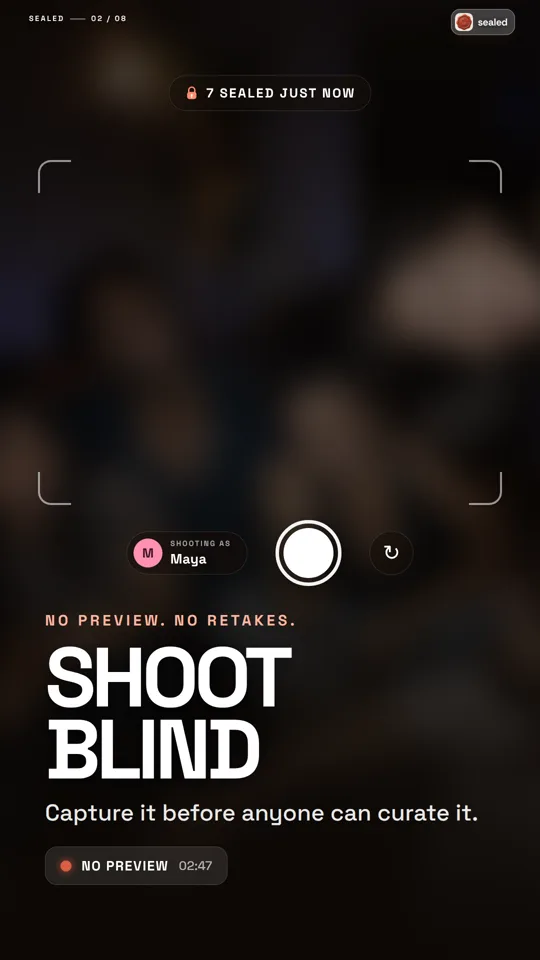
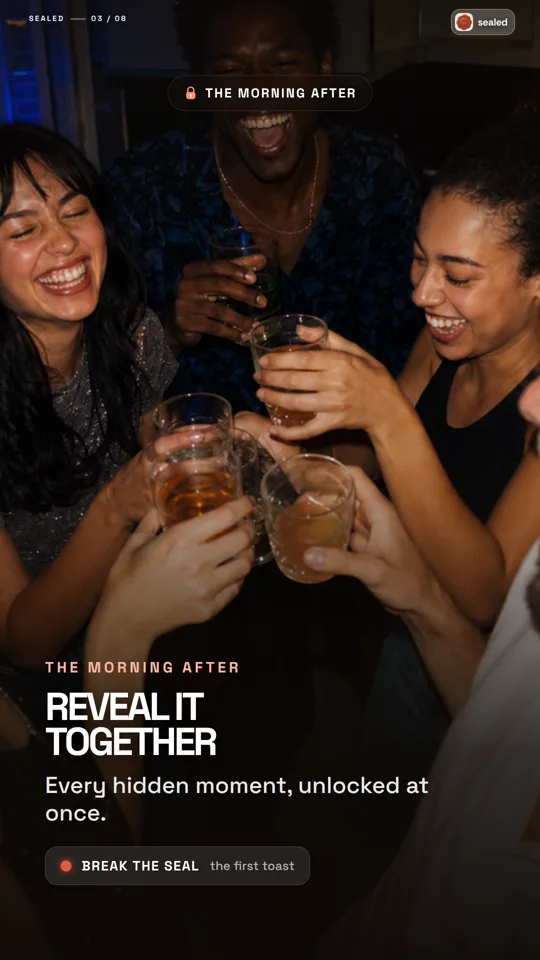
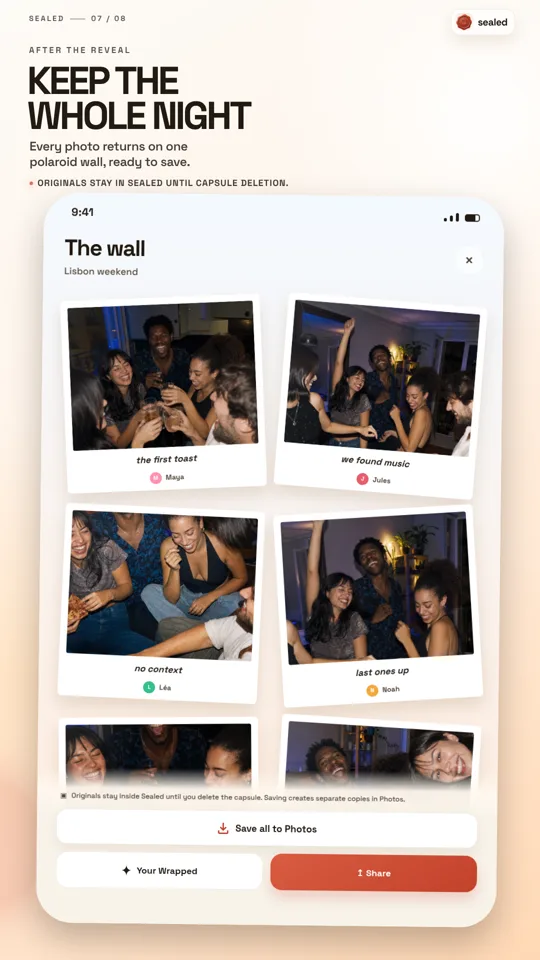
Sealed is a group photo capsule built around a delayed, shared reveal - the idea, in short, is that everyone in a group shoots, nobody peeks early, and the photos are opened together later. It is not designed as a marketplace or listing tool, so it isn't a direct answer to 'what photo app should I use to sell items.' But a few of the principles behind it are worth borrowing when photography for a sale involves other people or shared spaces.
If a listing photo happens to include a housemate, a family member, or someone else's belongings in the background, the same basic courtesy applies as with any shared photo: ask before you photograph or post something that identifies someone who hasn't agreed to it. This isn't a legal requirement in every case, but it avoids friction and is simply considerate. Minimal interruption matters here too - a quick, respectful check-in before snapping a photo is usually enough, and it mirrors the kind of low-friction, consent-first habit that shared photo rituals like Sealed's reveal format are built around.
The broader point is that thoughtful photography practices - asking first, keeping edits honest, and not rushing a photo that involves other people - travel well between contexts, even when the underlying app or purpose is completely different.
A short checklist before you post a photo of an item for sale
Use this as a practical pre-posting check rather than a strict rulebook; not every point applies to every sale.
- Does the photo show the item's actual condition, including visible flaws?
- Have you avoided edits that change color, size perception, or hide damage?
- If anyone else is visible or identifiable in the shot, have they agreed to it?
- Is the background neutral enough that it doesn't distract from the item?
- Have you kept a copy of the original, unedited photo in case a buyer asks for it?
- Does the platform you're posting to have its own photo or content rules you should check?
Reading editorial and translated guidance carefully
One practical limit worth flagging: articles like this one may exist in multiple languages, but a translated article does not by itself confirm that a related app's interface, its store listing, or its support channels are available in that same language. If you're evaluating any photo app, including one referenced in translated editorial content, it's worth checking the current store listing directly for your region before assuming availability or language support.
This matters for selling-item photography too - if you're relying on an app's help documentation or customer support to resolve an editing or export issue, confirm that support is actually offered in a language and format you can use, rather than assuming based on the app's marketing site.
Frequently asked questions
Is there a single best photo app for selling items?
No single app fits every case. The right choice depends on how much visual accuracy matters for the specific item, how much editing risk is acceptable, and whether you need extra features like multi-angle capture or background cleanup. A plain camera app with manual controls is often sufficient, especially for used or worn items where honest representation matters most.
Can editing a sale photo too much cause problems?
Yes. Edits that change color, hide damage, or alter apparent size can lead to buyer disputes, returns, or complaints, and on some platforms may violate listing rules. A safe general practice is to keep edits limited to lighting and cropping, and to retain the original photo in case a buyer later asks how the item actually looks.
Do I need consent to photograph items that include other people in the frame?
If someone else is identifiable in a photo you plan to post publicly, it's good practice to get their agreement first, even if it isn't strictly required by law in your situation. This is a general courtesy around shared and identifiable images, not a rule specific to any one app or selling platform, and it helps avoid unnecessary conflict later.
Sources and further reading
These resources provide the wider reference frame. Product statements on this page are limited to the public information provided by Sealed.