 Sealed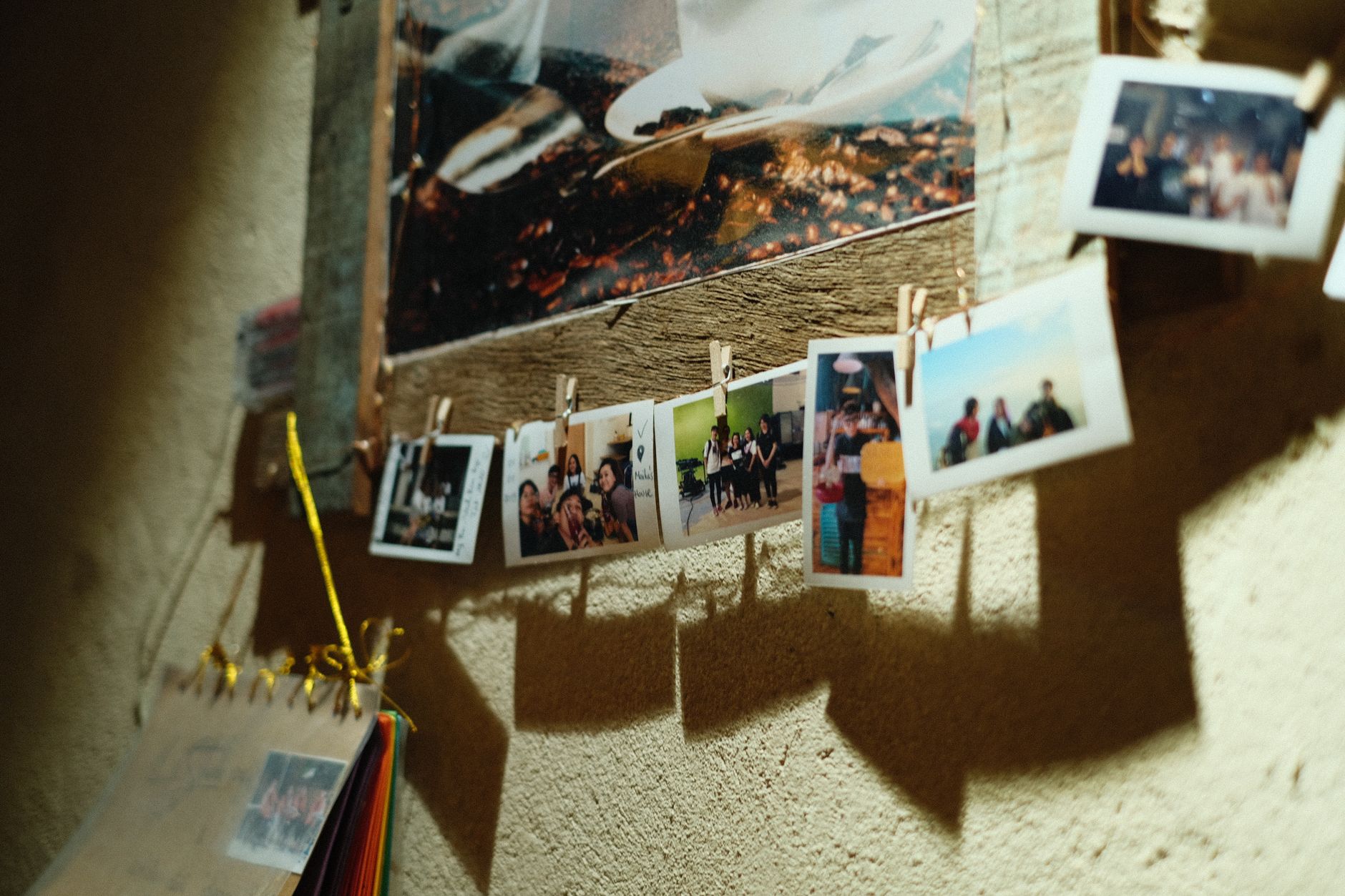
Begin with a clear invitation, not an assumption
A shared photo ritual can be meaningful because it creates anticipation: one passed-around phone gathers the moments, nobody watches them back immediately, and the group opens the capsule together. But the ritual only works well when participation is genuinely optional. A guest’s presence at a gathering is not automatic permission to photograph them, include them in a group image, or share their identifiable image later.
Set the tone before cameras come out. A host or organiser can briefly explain that the group is making a photo capsule for a later shared reveal, then name the choices available. People may be happy to appear, prefer to be asked each time, want to avoid close-ups, or choose not to be photographed at all. Treat every answer as ordinary and welcome rather than as a problem to solve.
A simple explanation reduces awkwardness because no one has to make a private objection in the middle of a busy moment. It also gives friends who are enthusiastic about photos a clear responsibility: consent is part of the ritual, not an interruption to it.
- Say what the capsule is for and when it will be opened.
- Ask whether anyone wants a no-photo or ask-first preference.
- Make clear that changing one’s mind is always allowed.
Offer more than two ways to take part
Inclusion does not require everyone to be visible in the same way. A group can make room for different comfort levels by expanding what counts as participation. Someone who does not want to be photographed may still enjoy taking pictures, choosing a prompt, collecting visual details, or helping decide the moment for the shared reveal.
This approach keeps the focus on the shared experience rather than on securing a complete visual record of every person present. Guests can contribute images of food, decorations, hands, places, games, pets, notes, or the atmosphere of the day. These details can carry the memory without identifying someone who prefers privacy.
Avoid turning an opt-out into a performance. Do not ask a reluctant guest to explain their reasons or accept an alternative role. Offer options quietly, and let them choose none of them if that feels best. Respect is often most visible in the lack of pressure.
Make consent easy in the moment
Even after an initial conversation, consent remains practical and ongoing. Plans change, people arrive late, and a person who was comfortable with a candid moment may not want to be included in a posed group shot. Short, specific check-ins work better than broad assumptions: “Are you okay being in this one?” is often enough.
For recurring gatherings, establish a few shared signals. A person might step aside before a photo, give a quick verbal answer, or ask to be included only from behind or at a distance. The point is not to create a complicated system. It is to make preferences visible without requiring repeated emotional labour from the person who has opted out.
Photographers can help by looking before they frame. Notice who has moved away, covered their face, declined a prior picture, or seems uncertain. Do not use candid photography as a workaround for a stated preference. If a participant is identifiable, their comfort matters whether the image is posed or spontaneous.
- Ask before a new kind of photo, especially close-ups and group portraits.
- Accept a no without bargaining, teasing, or asking for an exception.
- Pause if someone seems unsure; a photo can wait.
Keep the ritual light and minimally disruptive
A considerate photo practice should not make a social gathering feel monitored. The best structure is usually simple: designate a few moments for photos, keep cameras away at other times, and let people know that declining is uncomplicated. This protects the atmosphere for guests who enjoy being photographed and those who do not.
Shared anticipation can actually support this restraint. Because the capsule is meant for a later group opening rather than immediate review, there is less reason to chase endless retakes or inspect every image on the spot. The group can return its attention to the meal, conversation, activity, or celebration that brought everyone together.
Try to avoid recruiting one person as the permanent consent manager. Instead, make consent a shared habit among anyone taking pictures. When everyone understands that the ritual includes pauses, choices, and boundaries, the responsibility does not fall on the least comfortable guest.
Plan the reveal with the same care
The delayed reveal is a shared moment, but it should not override preferences expressed earlier. Before opening or sharing the capsule, give participants a way to flag images they do not want included or circulated. A calm review step can be especially useful when people joined at different times or when photographers were not the same people who organised the event.
Be precise about what “shared” means. Is the reveal limited to people who attended? Will images be sent onward, posted elsewhere, or kept within the group? The public site for Sealed includes privacy, terms and child-safety information, and those considerations are compatible with a simple social norm: do not make identifiable images more widely available than the people in them have agreed to.
If an image creates discomfort, remove it from the reveal without debate. The loss of one picture is small compared with the value of trust. A thoughtful reveal is not about proving that every moment was captured; it is about opening a collection that participants can enjoy together.
Let trust become part of the memory
A group ritual becomes more welcoming when people know their boundaries will be remembered. Friends may become more willing to join future gatherings when they have seen that an opt-out is respected without sulking, surprise, or social penalty. That trust supports the easy, shared anticipation that makes a photo capsule feel special.
This does not mean every event needs a formal script. Often, a brief opening reminder, a few thoughtful check-ins, and a respectful review before the reveal are enough. The goal is a rhythm that feels natural: capture selectively, ask when needed, stay present, and open the moments together later.
Sealed explores intentional group photography, consent and shared reveal rituals. In practice, intentionality means leaving room for people who want to be in the frame, people who prefer a limited role, and people who simply want to enjoy the occasion without being photographed. A ritual can feel more complete when nobody has to trade comfort for belonging.
Frequently asked questions
How can someone join a group photo ritual without being photographed?
They can participate by taking photos, suggesting prompts, capturing non-identifying details, helping organise the capsule, or simply attending without any photo role. Participation should always be optional.
Should we ask for consent again before a delayed photo reveal?
Yes. Before a shared reveal or further sharing, give participants a simple chance to flag images they do not want included or circulated, especially when identifiable people are shown.
What should we do if a guest says they do not want photos?
Accept the preference without asking them to justify it, avoid photographing identifiable images of them, and let other guests know discreetly so the boundary is easy to respect.
Sources and further reading
These resources provide the wider reference frame. Product statements on this page are limited to the public information provided by Sealed.