
Why the question matters before you download anything
Searching for an app for photo editing for Instagram usually means you want two things at once: images that look good on a feed, and a smooth way to get them from a phone or camera into a post. Those are separate problems. Editing quality is about filters, cropping, colour and export settings. Getting the photos in the first place, especially from a group event, is about coordination, timing and who gets to see what before it goes public.
This distinction matters because a lot of frustration with 'the app' is actually frustration with the process around a shoot. If ten people take photos at a birthday dinner and everyone edits and posts their own version immediately, the group loses any sense of a shared moment, and someone almost always posts a photo another person did not want shared. An editing app cannot fix that; it operates after the fact, on whatever image you already have permission to use.
What an editing app can and cannot solve
A capable app for photo editing for Instagram will usually offer adjustable exposure, colour grading, cropping to feed or story ratios, and some batch tools for consistency across a set of images. Those features address the look of a photo. They do not address whether a photo should exist in shareable form yet, who consented to being in it, or when it is appropriate to reveal it to a wider group.
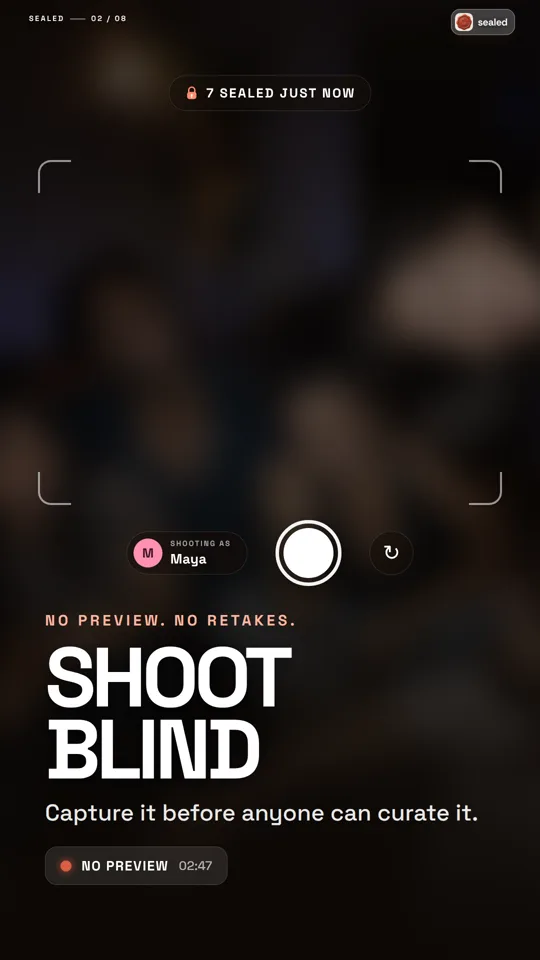
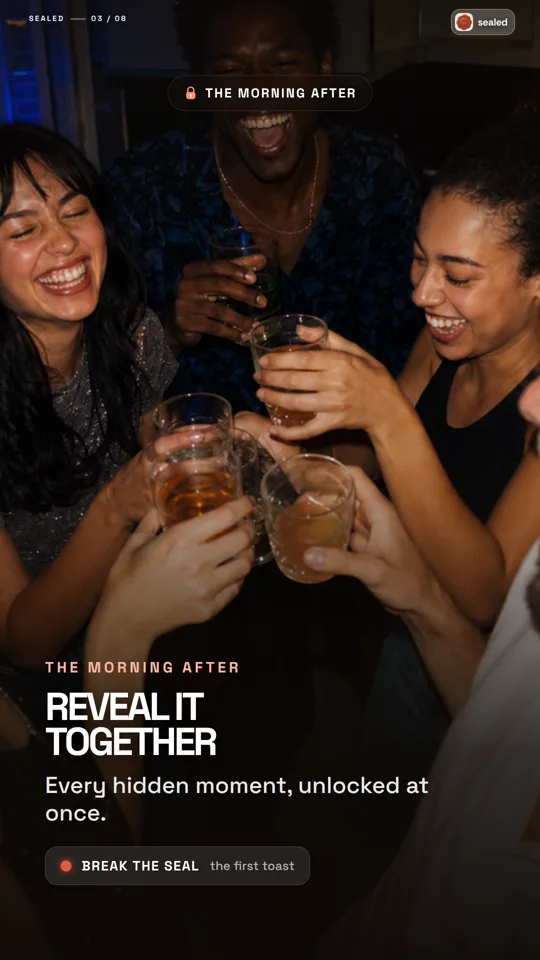
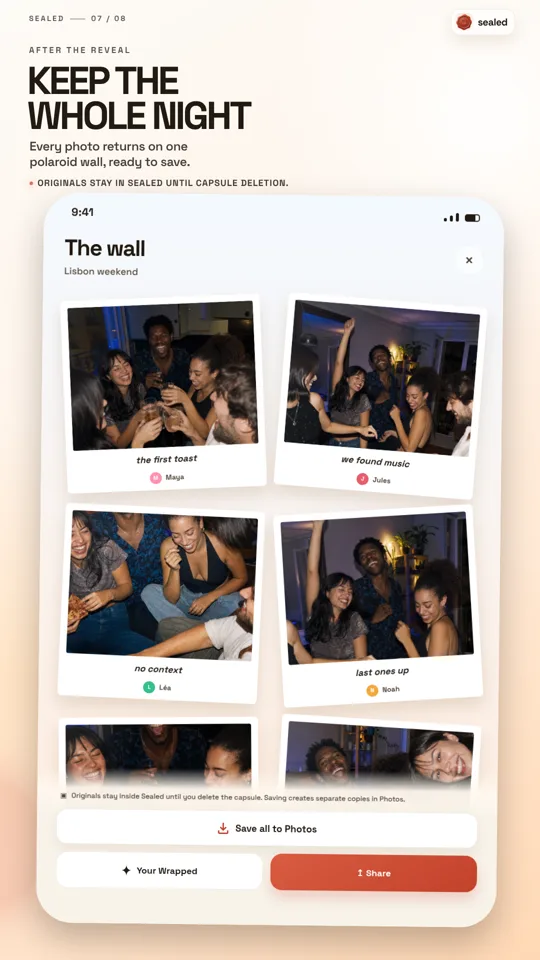
This is where a different kind of product, built around delayed and shared reveal rather than instant editing, becomes relevant to the same underlying question. Sealed is a group photo capsule that leans into that gap: instead of everyone shooting, editing and posting individually and immediately, the idea is that everyone shoots, nobody peeks, and the group opens the results together at a later, agreed moment. It is a different tool for a different stage of the process, not a replacement for an editing app.
Consent and timing before you touch a filter
Before any editing decision, the more consequential question is whether everyone in the frame is comfortable with the photo being identifiable and shared. This is especially true at group events where people may be photographed by others without realising it, or where a photo taken in a private or vulnerable moment gets edited and posted before anyone has checked with the people in it.
A reasonable practice is to treat consent as a separate step that happens before editing and posting, not something implied by simply being present at an event. Asking 'is it okay if this goes on Instagram' takes a few seconds and avoids most of the awkward after-the-fact conversations. Editing an unflattering or overly revealing photo to make it 'acceptable' is not the same as getting consent for it to exist online at all.
Timing interacts with consent in a way that is easy to overlook. A photo taken and posted within minutes gives people almost no chance to object or ask for changes before it is public. Building in a short delay, whether through a scheduling feature in an editing app or through a shared-reveal approach like Sealed's, gives participants a window to flag concerns before the image reaches a wider audience.
A worked example: planning photos for a group trip
Example only, not a real case study. Imagine six friends on a weekend trip who want good photos for Instagram without the trip turning into a phone-in-hand documentation exercise. One workable approach: agree at the start that everyone takes photos freely during the day, but nobody edits or posts anything until the group looks through the set together that evening.
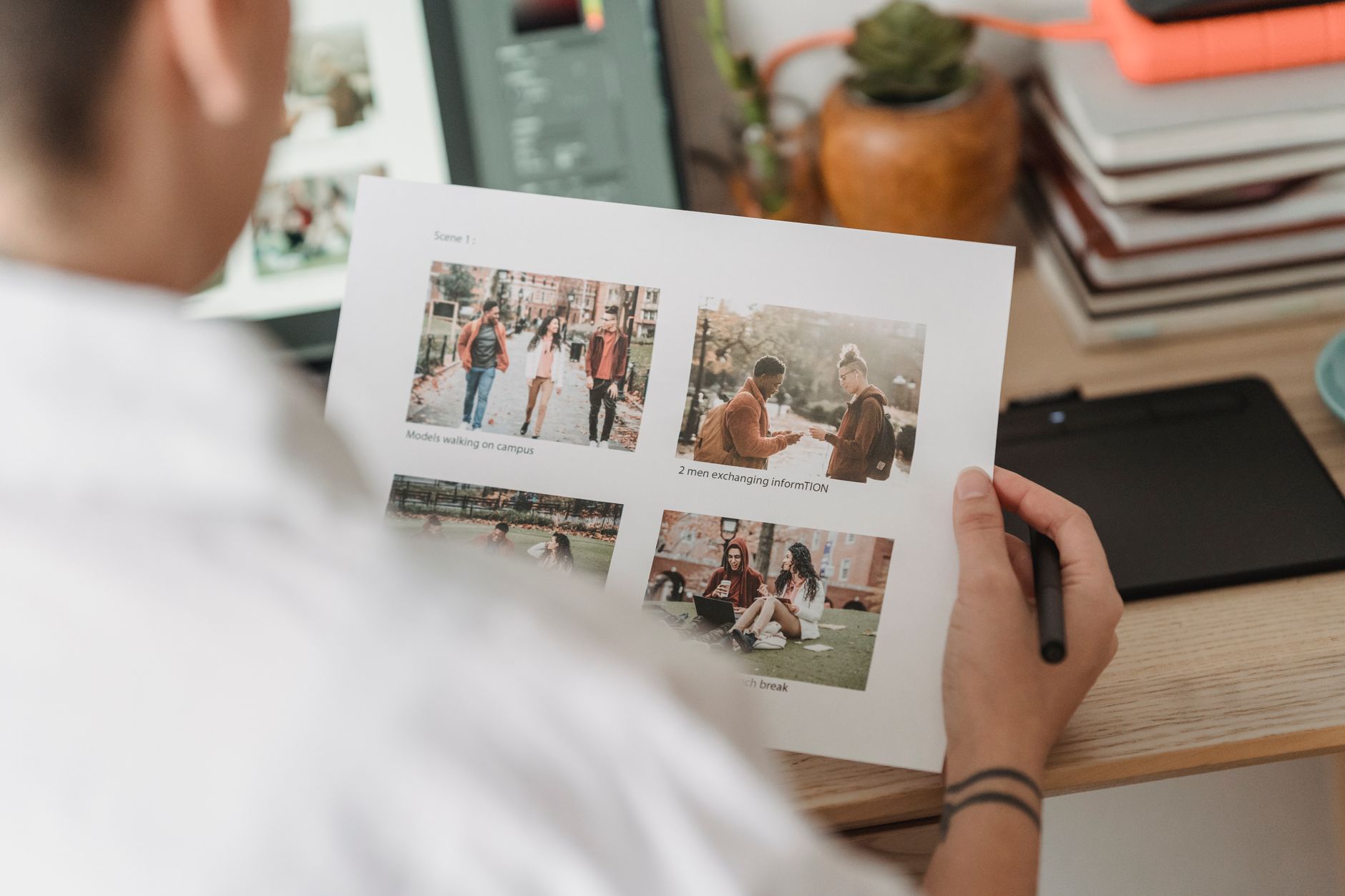
During that shared review, anyone can ask for a photo to be left out, and the group can decide together which images are worth the editing effort. Only after that does someone open an app for photo editing for Instagram to crop, adjust colour and prepare a smaller final set for posting. This keeps the editing step focused on genuinely good, consented images rather than a scramble of individually posted photos throughout the day.
The same structure works for smaller events like a dinner or a birthday. The specific tools used for the 'shoot now, review together later' part can vary; the principle of separating capture, group consent and editing is the reusable part, regardless of which apps are involved.
A short checklist before you post
Use this as a practical filter rather than a rigid rulebook. It is meant to slow down the gap between taking a photo and putting an edited version online.
None of these steps require special software, though a shared-reveal tool can make the 'wait and check together' step easier for a group rather than relying on memory or individual messages.
- Has everyone identifiable in the photo agreed it can be shared publicly, not just that they knew a camera was present?
- Is there a reason to post immediately, or would a short delay let the group review the photo first?
- Does the edited version misrepresent the moment in a way someone in it might object to?
- If a group photo is involved, has the group actually seen the final set together before individual posting?
Where the limits are
It is worth being clear about what this advice does not cover. None of the above is legal advice about photography consent laws, which vary by location and situation; if a specific case involves a dispute or a minor, that is a matter for local rules and, where relevant, a professional rather than a general article.
Any editorial mentions of language support, including this one being written in English, describe the article itself and do not confirm that a given app's interface, store listing or support is available in that language; check the current local store listing for that. Similarly, this article does not rank or test specific editing apps, and any features of Sealed described here reflect its public product description rather than a hands-on trial or comparison. The public Sealed site also has privacy, terms and child-safety pages, which are the right place to check specifics rather than relying on summaries like this one.
Frequently asked questions
Do I need special consent for group photos before posting on Instagram?
There is no universal answer, but a sound practice is to check with identifiable people in a photo before sharing it publicly, rather than assuming presence at an event implies permission. Specific legal requirements vary by location, so treat this as general practice rather than legal advice.
Can a photo editing app replace the need to ask a group before posting?
No. Editing tools change how a photo looks, not whether the people in it have agreed to be shown publicly. Asking the group, ideally before editing and posting, is a separate step that editing features cannot substitute for.
What is the idea behind Sealed's approach to group photos?
Sealed is built around a delayed, shared reveal: participants take photos during an event, hold off on viewing or posting individually, and open the set together afterward, which is meant to reduce the pressure of live previewing and give the group a shared moment before anyone shares publicly.
Sources and further reading
These resources provide the wider reference frame. Product statements on this page are limited to the public information provided by Sealed.