
For your next trip, party or wedding
Next time, skip the shared album
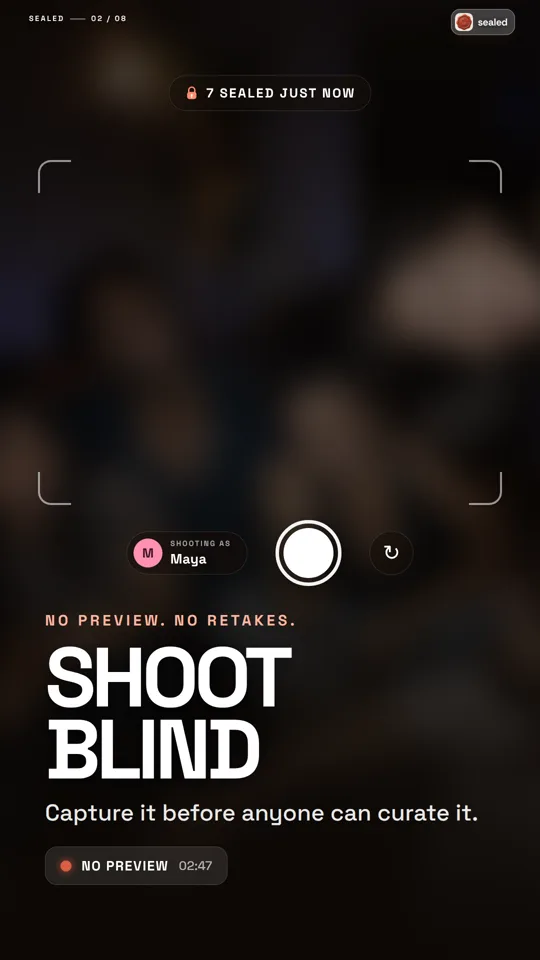
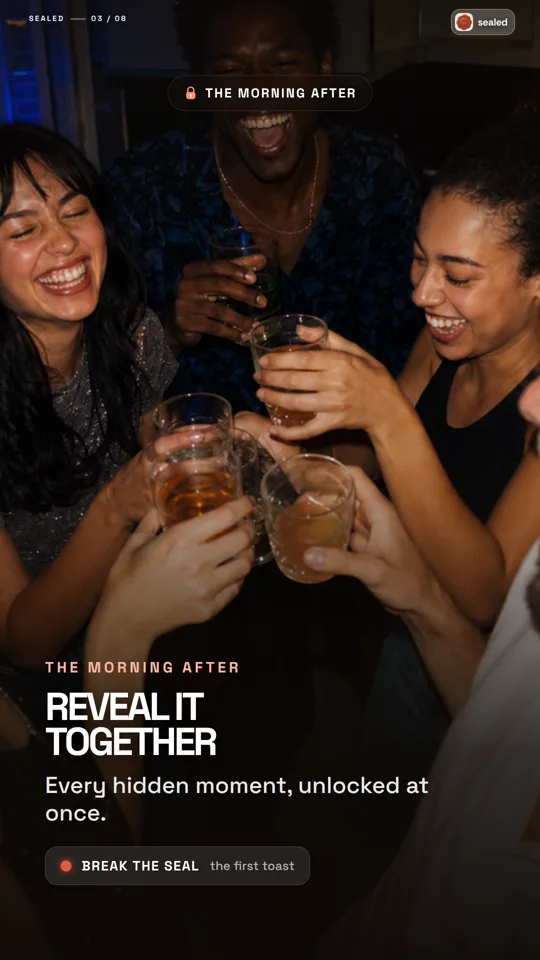
Create a Sealed capsule before the moment. Everyone shoots from their own phone, nobody sees a thing until the reveal, then the whole group opens it together.
- Each guest installs Sealed and joins with a 6-character code or a link, on iPhone or Android. Up to 30 phones, no account needed.
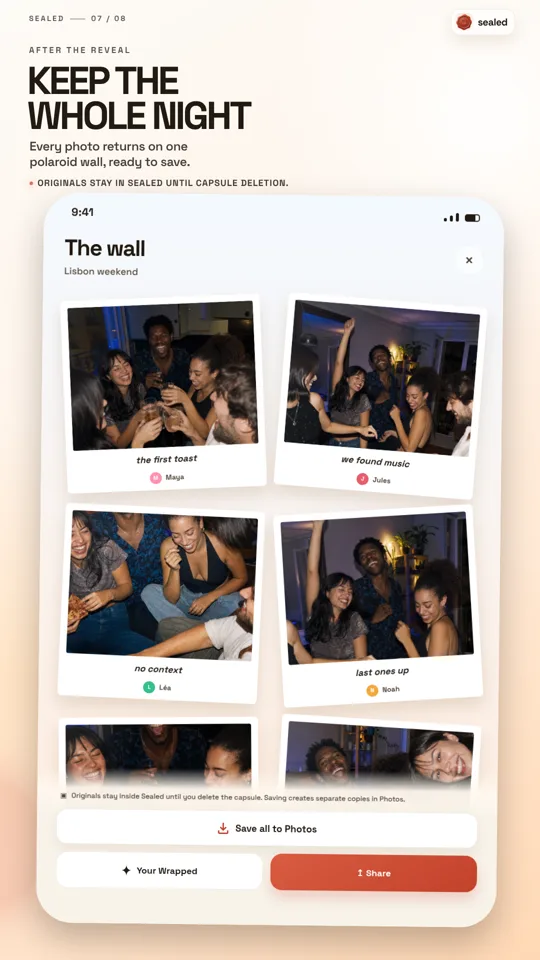
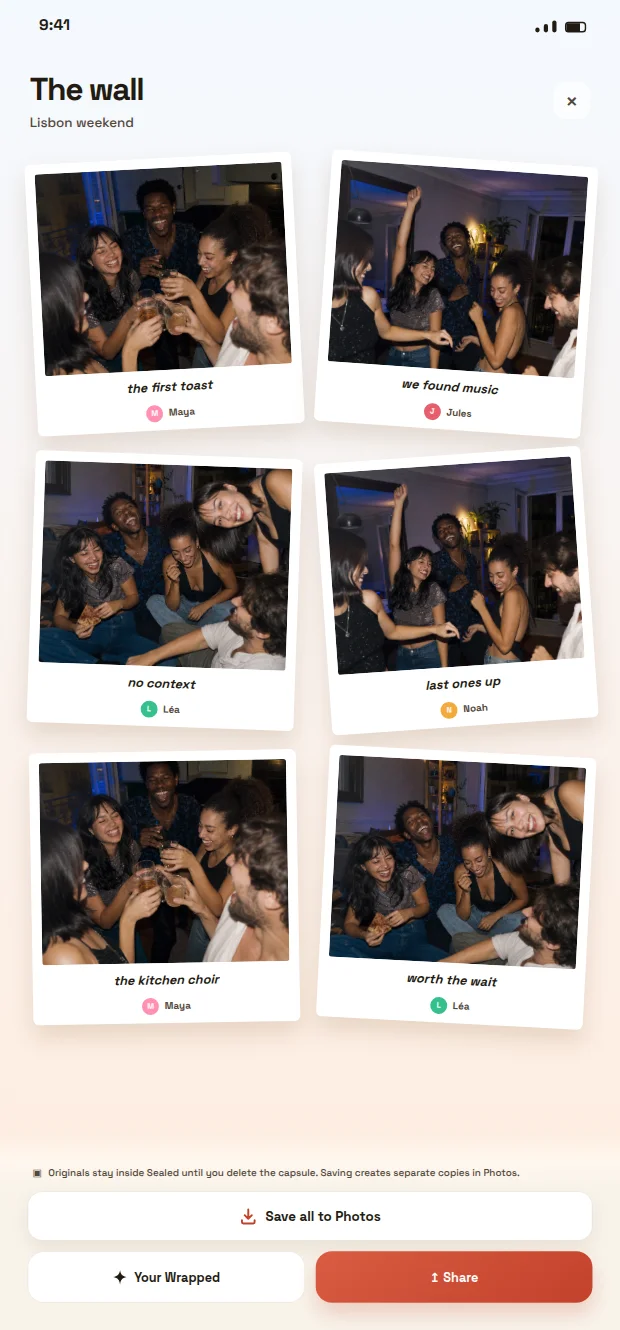
- Every photo lands on one wall, with the name of who took it. Nothing to chase afterwards.
- Photos stay sealed until the deadline, so people keep shooting instead of reviewing.
- When it opens, save the whole wall to Photos in one tap.
Scan with your phone camera to install Sealed
Free download. Sealed does not repair or recover Apple Shared Albums.
Planning an event? Wedding photo app · Birthday party photo app · Bachelorette party photo app
Can i make a photo album a shared album? Start with the purpose
Yes - often you can make a photo album a shared album by creating a collection that others can access or contribute to, depending on the photo service and its current options. The important question is not only whether sharing is possible, but what the group needs from it: a practical archive, a collaborative collection, or a moment that everyone discovers together.
For a straightforward post-event archive, a shared album can give participants one place to find selected images. Apple’s guidance for Shared Albums explains that people can be invited to view an album and, when enabled by the album owner, add photos, videos, and comments. Check the current instructions and settings in your local version of the service before relying on a particular option.
If the occasion matters as much as the pictures, decide whether immediate access will undermine the experience you want. A live collaborative album is useful for collecting material quickly; it is less suited to a group that wants to avoid checking images while the gathering is still happening.
- Choose the outcome first: archive, collaborative collection, or delayed group reveal.
- Decide who may view, contribute, comment, download, or invite others.
- Set expectations before anyone starts photographing.
Choose between a shared archive and a shared ritual
A shared album is usually designed around access: people can return to it, add to it, or react to it according to the permissions set by its owner. That is a good fit when speed, convenience, and collective record-keeping matter most.
A shared ritual uses different rules. The group may agree that images are made during an occasion but are not reviewed individually in the moment. The value comes from building anticipation together, keeping devices from pulling attention away, and making the opening a social event rather than a stream of private checks.
Sealed is relevant only in this narrower context. Its public methodology describes an approach to group photography built around a later collective opening rather than immediate preview. That product context can help a group articulate a ritual, but it does not establish that every feature, language, store listing, or support option is available where you live; verify the current local listing before acting.
- Use a conventional shared album when the group needs a flexible, ongoing record.
- Use a delayed reveal approach when the occasion benefits from fewer interruptions and a planned opening.
- Avoid mixing the two models unless everyone understands when images become visible.
Set consent and boundaries before you share
Turning an album into something shared changes the audience for every image. A photo that felt acceptable between the photographer and one friend may not be appropriate for a larger invited group, for future viewing, or for someone who can download and resend it. Ask identifiable participants before photographing or sharing them, especially when the setting is personal, emotional, or includes children.
Consent is more useful when it is specific. Tell people what will be photographed, who will be invited, whether others can contribute, whether comments are enabled, and when the album will become visible. Give participants an easy way to ask for an image not to be included or removed later.
Also consider the people who are not in the room when the album is opened. If invitations can be forwarded or membership can expand, say so. If the group expects a closed circle, make that boundary explicit and review the actual service settings before sending the link or invitation.
- Ask before capturing and before sharing identifiable people.
- Name the intended audience and whether contributors can add material.
- Offer a clear opt-out and a simple removal process.
- Review privacy, terms, and child-safety information for any service you use.
Example decision aid: planning a birthday weekend album
Example: six friends are spending a birthday weekend together. They want photos from the trip, but the guest of honor dislikes being shown unflattering shots during the event. The group first decides that the priority is presence during the weekend and a warm shared viewing afterward - not a constantly updated archive.
They agree that anyone may take pictures, but no one will circulate identifiable photos outside the group. Before the weekend, they ask each person whether they are comfortable being included and invite private requests for exclusions. They also choose one person to collect final selections and confirm who will be invited to the reveal.
After the trip, the organizer can create a shared collection for the agreed audience or use a delayed-reveal format. The practical test is simple: if someone needs access right away for logistics, add only those necessary images to a separate working album. Keep the celebratory set for the planned group opening.
- Purpose: shared memory, not live documentation.
- Visibility: after the weekend, at an agreed time.
- Audience: the six participants only unless everyone agrees otherwise.
- Contributor rule: submit images to the organizer before inclusion.
- Exit rule: any participant can request removal without having to justify it.
How to make the process feel lighter, not more managed
A shared album can create more work than expected when there are no norms. People may upload duplicates, add images that others did not expect to see, or feel pressure to react. A few small decisions prevent the album from becoming another group task: choose an organizer, decide whether all contributions appear automatically, and set a date for curation or closure.
For a low-interruption gathering, keep the photography rule modest. A group does not need to document every minute for the album to feel meaningful. Let people participate in the event first, take photos with intention, and avoid making repeated screen checks the center of the occasion.
The same principle applies to the reveal. Choose a time when attendees can actually be present, explain what will happen, and make room for different reactions. Thoughtful reveal does not mean forcing enthusiasm; it means treating the images as shared material with shared boundaries.
- Use one organizer for invitations and questions.
- Agree on whether uploads appear automatically or are reviewed first.
- Set a reveal date and a closing date for new additions.
- Keep a separate private place for images that are not meant for the group.
Know the limits before you act
A shared album is not a substitute for an agreement among participants. Platform controls can help shape access, but they do not remove the need for consent, judgment, or a plan for mistakes. Before sending an invitation, check who can see the album, how membership works, and whether contributors can add, comment on, or otherwise interact with the material.
Service details change, and editorial guidance may be translated without guaranteeing that the matching interface, store page, or support is offered in that language. For Apple Photos, consult the current Shared Albums support page for your device and region. For Sealed, its public methodology explains its intended approach to deliberate group capture and collective opening; it is not a claim of a study or a universal result.
The practical limit is social as well as technical: do not invite more people, keep images available longer, or broaden the purpose beyond what participants understood. When in doubt, choose the smaller audience, the clearer permission, and the more considerate reveal.
- Verify current settings in the service you intend to use.
- Do not assume a translated article means local product availability.
- Keep the audience and purpose no broader than the consent you received.
- Revisit access if the group or context changes.
Frequently asked questions
Can I turn an existing photo album into a shared album?
Often, yes: many photo services let you create or share a collection with invited people, but the exact steps and permissions depend on the current service, device, and region. Check the service’s current help documentation before inviting anyone.
Should everyone be allowed to add photos to a shared album?
Only if the group agrees. Open contributions can make an album more complete, while organizer review can better protect privacy, avoid surprises, and support a planned reveal.
What consent should I get before sharing group photos?
Ask identifiable participants whether they are comfortable being photographed and shared with the intended audience. Explain who will see the album, when it will be visible, whether others can contribute, and how someone can request removal.
Sources and further reading
These resources provide the wider reference frame. Product statements on this page are limited to the public information provided by Sealed.