
What a disposable camera that connects to phone really means
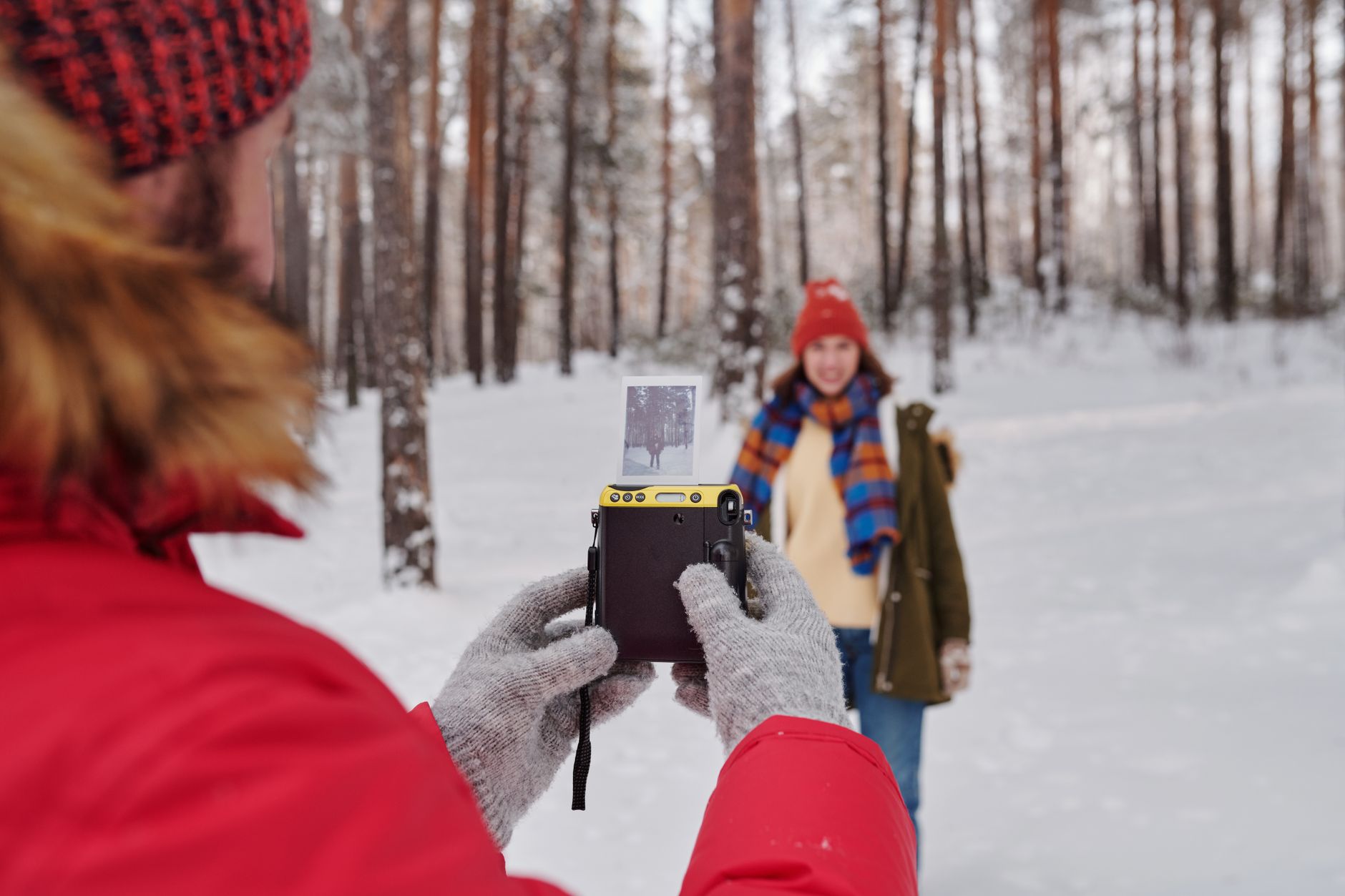
People searching for a disposable camera that connects to phone usually want two things at once: the charm of a single-use camera, with its limited shots and no instant review, and the convenience of getting the pictures onto a phone without much effort. A classic film disposable has no wireless chip, no app and no port. It records onto film, so there is nothing for a phone to pair with.
That leaves three practical routes. You can shoot film and get the roll scanned so the files arrive digitally. You can buy a digital camera styled as a single-use device and check exactly how it transfers images. Or you can use a phone app that recreates the disposable experience directly on the phone. Each route answers a different version of the question, and mixing them up is the most common source of disappointment.
How film disposable photos actually reach your phone
With a film disposable, the connection to your phone happens at the lab, not in the camera. After the roll is developed, many labs offer scans delivered by download link or email, which you can then save to your phone. Turnaround, scan resolution, whether negatives are returned and what it costs all vary by lab and change over time, so confirm them before you hand the camera in.
This route keeps the real film look and a genuine wait between shooting and seeing. The trade-off is logistics: someone has to collect the cameras, take them to a lab and share the files afterwards. For a group, that person also decides when everyone sees the results, which may or may not match the shared moment you had in mind.
Checklist before buying a digital single-use-style camera
Some digital cameras are marketed with a disposable look, and some advertise phone transfer. Features, compatibility and prices in this category shift between models and listings, so treat any product page as a snapshot rather than a permanent fact. The questions below help you test whether a specific device genuinely connects to a phone in the way you need.
If a listing cannot answer most of these clearly, assume the transfer process will be more manual than the packaging suggests.
- Does it transfer by cable, memory card, Bluetooth or Wi-Fi, and does that work with your phone model?
- Is a companion app required, and is it currently listed in your country's app store?
- Can several people's photos be combined, or does each camera stay separate?
- Is the screen hidden or absent, or does it allow instant review that breaks the no-peeking feel?
- Where are the images stored, and who can access them once transferred?
When a phone app fits a group better
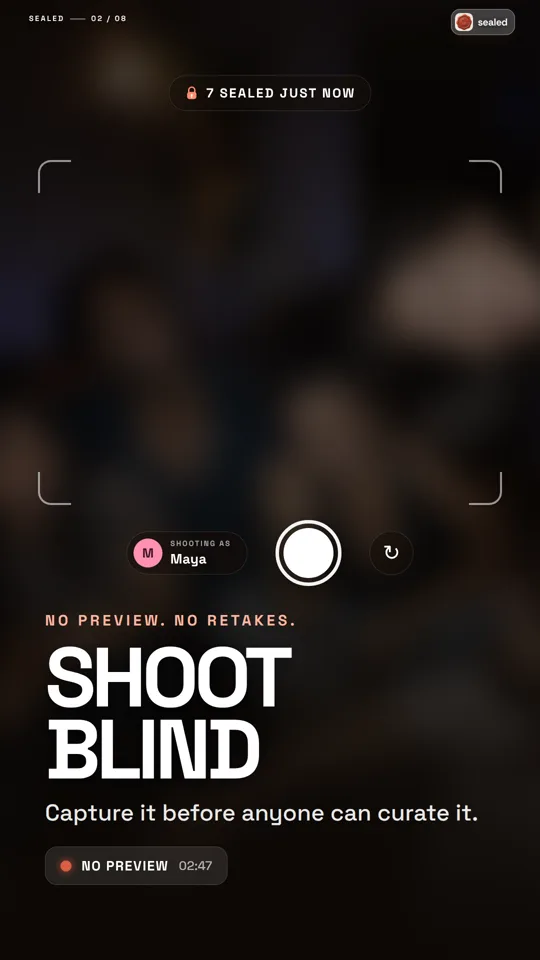
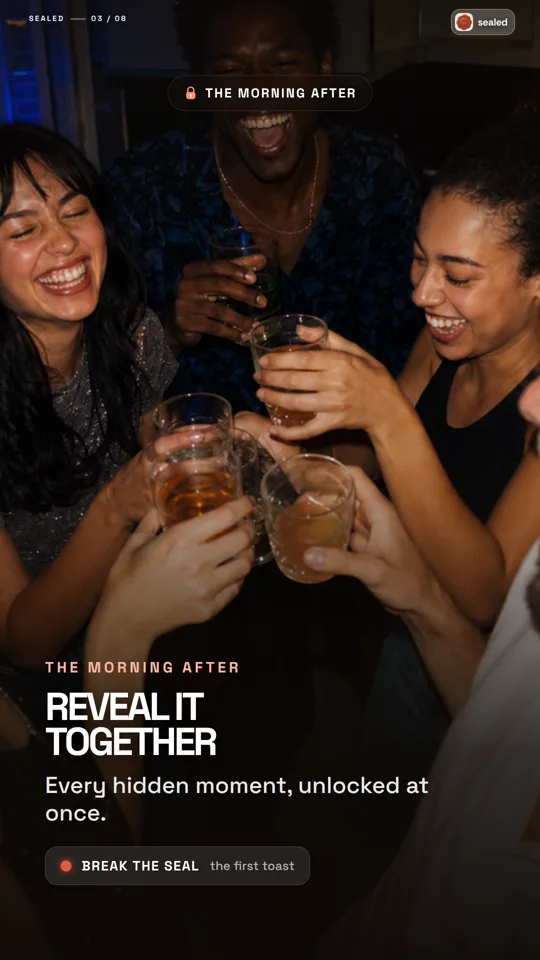
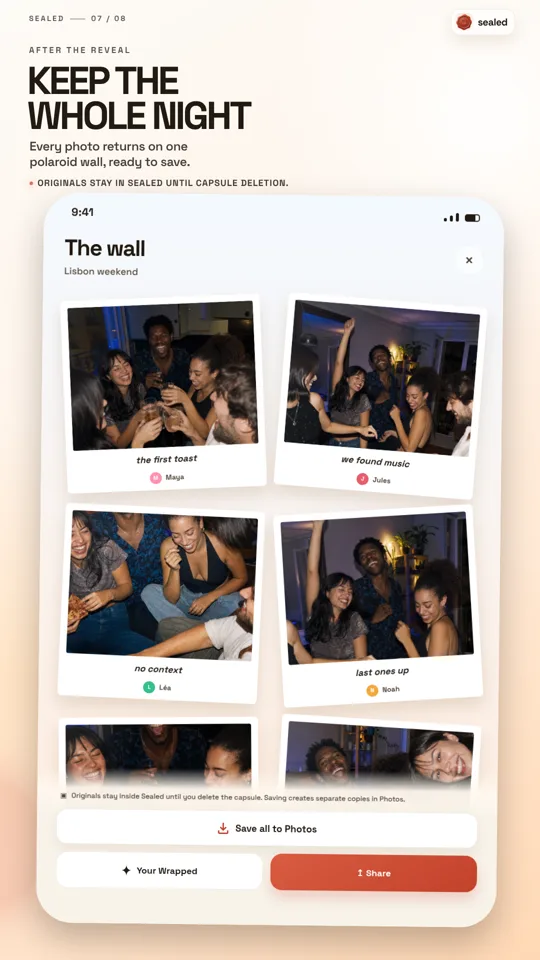
If the real goal is a shared ritual rather than a physical object, an app may solve the problem more directly, because every guest already carries the camera. Sealed is one example of this approach: it is a free group photo capsule app for iPhone and Android in which shots go straight in without preview, retakes, filters or camera-roll imports, and nobody, including the organiser, sees them until the chosen opening time. It does not turn a physical disposable into a connected device; it is a separate option built around a delayed, shared reveal.
The point to weigh is minimal interruption. An app removes the lab step and lets the group open the photos together at a set moment, but it still relies on phones, which means notifications and batteries remain part of the event. A film camera removes screens entirely but adds handling and waiting. Neither is better in general; the right choice depends on whether you value the object or the shared reveal more.
Consent, storage and who sees the photos
Whichever route you choose, ask people before photographing or sharing images in which they can be identified. A delayed reveal can make this easier, since the group can agree at the start what will be shared and with whom, rather than negotiating after photos have already circulated.
Storage deserves the same attention. Film scans sit wherever the lab and the recipient keep them. With an app, check where images live. In Sealed's case, a capsule kept on one phone stays on that device, while a shared capsule uploads photos for its members, who can see them only after the opening, and the server copies are removed 30 days later, so people should save what they want. The Sealed guide comparing local capsules with cloud shared albums explains these differences in more detail, and the Sealed methodology page describes how its editorial advice is bounded.
Example: choosing for a weekend trip with friends
Example (hypothetical): six friends plan a weekend away and want photos that feel unplanned and are seen together afterwards. Option one is two film disposables, with one person responsible for developing and sharing scans the following week. Option two is a digital single-use-style camera, which only works if its transfer method suits everyone's phones. Option three is a shared photo app, where each person joins on their own phone and the group picks an opening time, such as Sunday evening.
A simple decision rule: choose film if the physical camera and the film look matter most and someone is happy to handle the lab. Choose the app route if everyone seeing the photos at the same moment matters most. Choose a digital device only after it passes the checklist above. In every case, agree on consent and on who keeps copies before the first photo is taken.
Frequently asked questions
Can a regular film disposable camera connect to a phone?
No. A film disposable camera has no wireless connection or app; it records onto film. To get its photos on a phone, have the film developed and ask the lab for digital scans, which you can then download and save to your phone.
How do I know whether a digital disposable-style camera really transfers to my phone?
Check the current product listing for the transfer method (cable, card, Bluetooth or Wi-Fi), compatibility with your phone, whether a companion app is required and available in your country, and where images are stored. Features change between models, so verify before buying.
Is there a way to get the disposable camera experience for a group using only phones?
Yes. Some apps recreate it on the phone by limiting preview and delaying when photos can be seen. Sealed, for example, is a group photo capsule where shots cannot be reviewed until the group opens them together at a chosen time. Get consent from the people photographed before sharing.
Sources and further reading
These resources provide the wider reference frame. Product statements on this page are limited to the public information provided by Sealed.