
Direct answer
Using a disposable camera well means loading it before the event, framing without a preview, using the flash indoors and within a few metres, and planning the reveal after developing so the group discovers the photos together.
Why disposable cameras still work for group moments
Learning how to use a disposable camera is less about mastering settings and more about accepting a slower rhythm. There is no screen to check, no retake button, and no live preview to argue over. That constraint is the whole appeal: it pushes a group toward capturing what is actually happening rather than performing for an instant review.
This matters most in group settings, where the temptation to check a phone after every shot can quietly derail the moment being photographed. A disposable camera removes that temptation entirely, which is part of why it pairs naturally with rituals built around shared anticipation rather than instant gratification.
Basic mechanics: how to use a disposable camera correctly
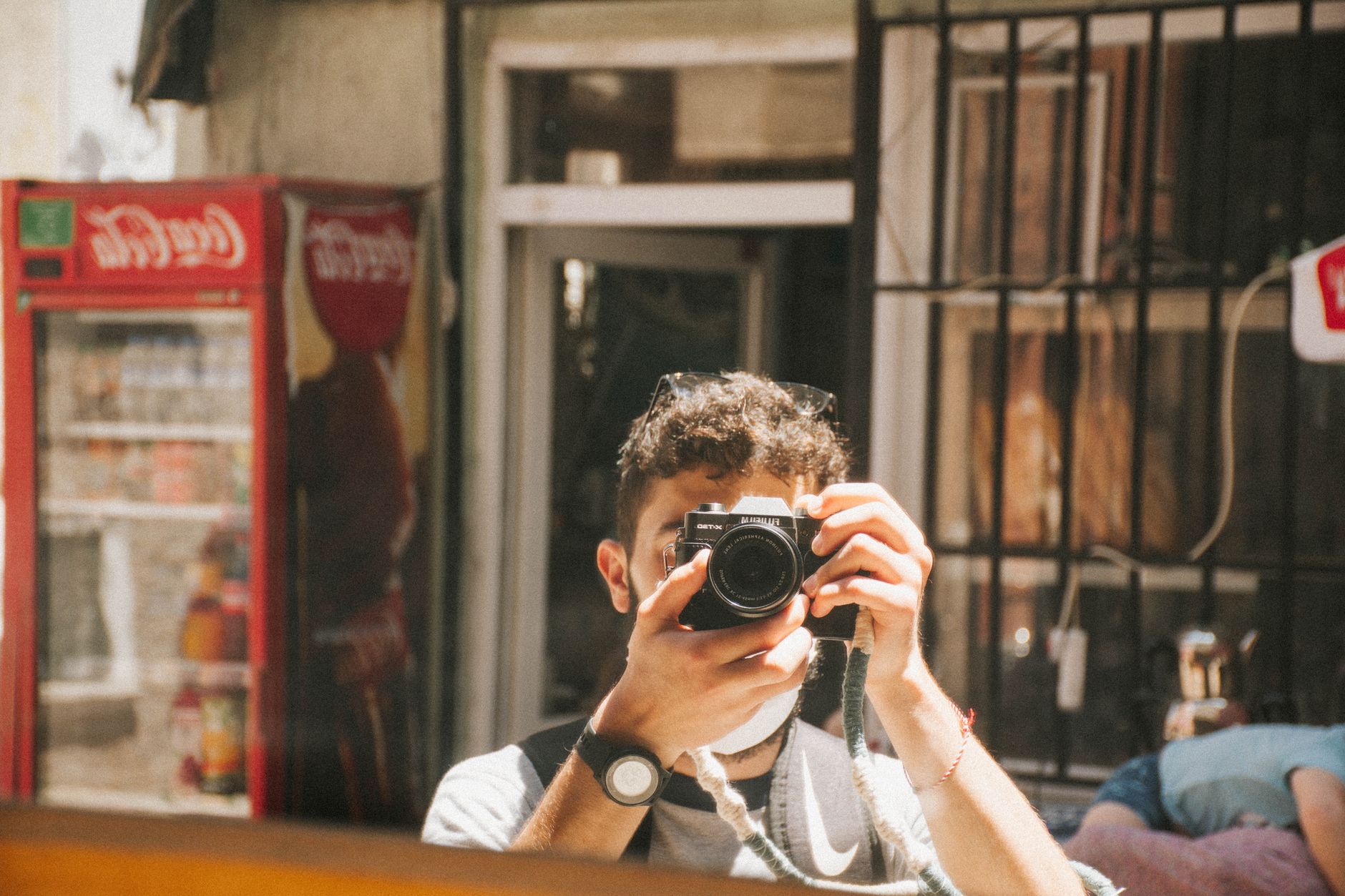
Most disposable cameras share the same core mechanics: a fixed-focus lens, a manual thumb-wheel or lever to advance the film, a shutter button, and sometimes a built-in flash you switch on manually. Because focus and exposure are fixed, the main variables you control are framing, distance, and lighting.
A few habits make a real difference in reliability. Keep your subjects within the camera's effective focus range, usually a few feet to several yards depending on the model. Advance the film fully after every shot before firing again, since a partial advance is a common cause of overlapping or blank frames. If the environment is dim, use the flash rather than trying to compensate with a slower shutter, since these cameras do not offer that adjustment.
- Check the frame counter before your outing so you know how many shots remain
- Turn on the flash indoors or at dusk rather than relying on ambient light
- Advance the film fully between shots, listening for the mechanism to stop
- Keep the lens clean and avoid covering it with a finger or strap
Building consent and comfort into the shoot
Because nobody can preview a shot on a disposable camera, the responsibility for comfort shifts entirely to how the shoot is planned and conducted in the moment. Before shooting starts, it is worth a quick, casual check with the group about who is comfortable being photographed and whether anyone would rather step out of certain frames.
This is especially relevant if the photos will later be shared with people outside the immediate group. Getting a clear sense of consent before shooting, rather than after the fact, keeps the ritual comfortable for everyone and avoids awkward conversations once images exist that cannot be quietly deleted from a screen.
Minimal interruption is part of the same principle. A disposable camera works best when it is used briefly and then set aside, rather than treated as a constant presence throughout an event. Short, deliberate bursts of shooting tend to produce more natural results than trying to document everything.
Planning the reveal, not just the shoot
Part of what makes a disposable camera different from a phone is that the images exist only as potential until they are developed. That gap between shooting and seeing is worth treating as a deliberate part of the experience rather than an inconvenience to rush through.
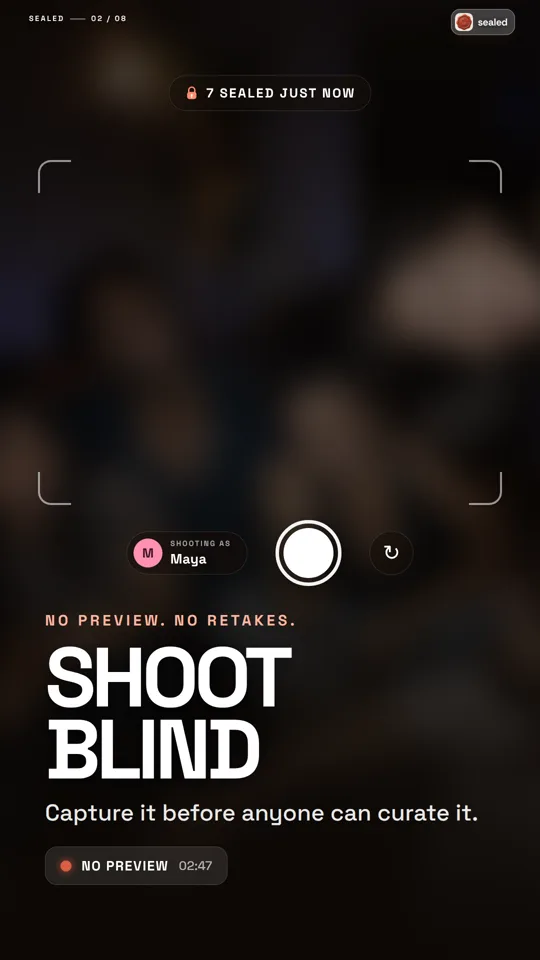
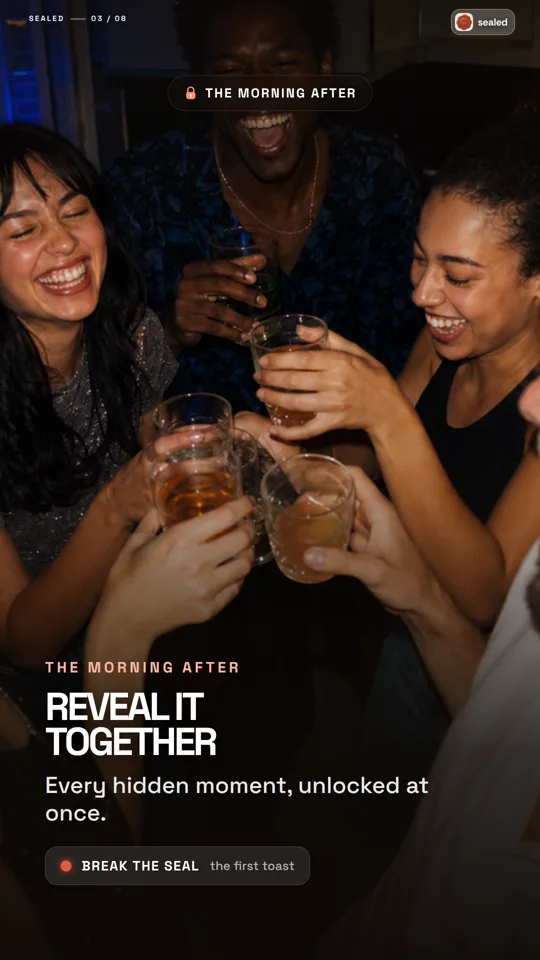
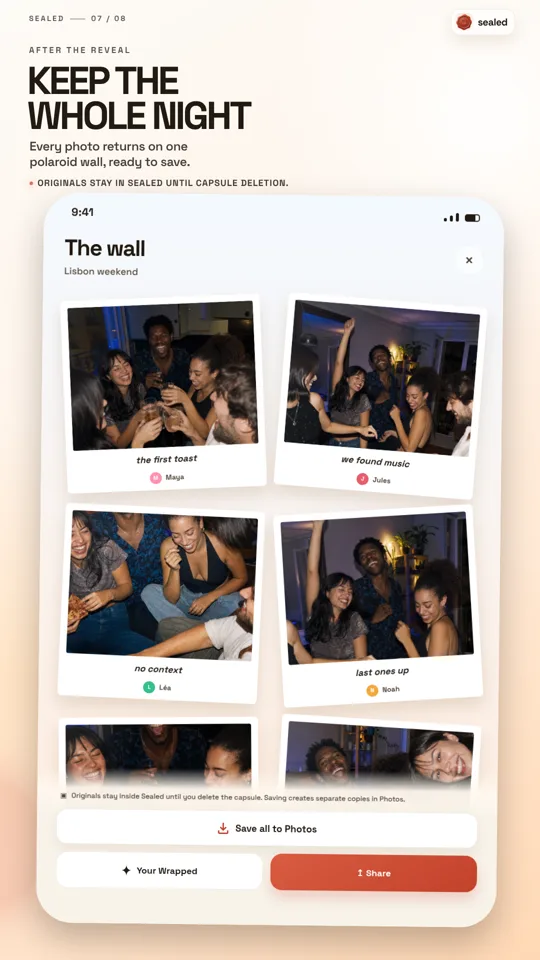
This is the idea behind Sealed, a group photo capsule built around the idea that everyone contributes shots without anyone previewing them individually, and the group experiences the results together once they are ready. Sealed's role in an article like this is bounded: it is one example of a tool designed around delayed, shared reveal, not a claim that disposable film and app-based capsules work identically or that either guarantees a particular outcome.
If you are shooting with a disposable camera specifically, a low-tech version of the same idea works well: agree as a group in advance that no one will look at the developed prints or scans alone, and instead plan a specific time to look through them together. That single agreement changes the emotional texture of the whole exercise.
A worked example: planning a weekend trip shoot
As an illustrative example only, imagine a group of six friends on a weekend trip who want to use two disposable cameras across the weekend rather than relying on their phones. Before the trip, one person volunteers to hold both cameras and briefly explains the plan: everyone can ask to use a camera at any point, but no one checks a screen or asks 'how did that turn out' during the trip.
On the first evening, they agree on a simple consent norm: anyone can say 'not this one' before a photo is taken of them, and that request is respected without discussion. Over the two days, the cameras get used in short bursts at meals, a hike, and a bonfire, rather than being carried around constantly.
After the trip, the film goes to be developed, and the group agrees to meet in person the following week to look through the prints together for the first time. This worked example is not a documented outcome, only a template for how the principles above translate into an actual weekend.
- Assign one person to manage each camera to avoid confusion over remaining frames
- Set a group norm for opting out of a photo before shooting begins
- Shoot in short bursts tied to specific moments rather than continuously
- Agree on a reveal time in advance so the wait itself becomes part of the experience
After the shoot: development, storage and sharing
Once a disposable camera's roll is finished, it needs to be developed before anyone can see the results, which is a meaningful difference from digital formats. Local photo labs, mail-in services, and some pharmacies still offer film development, though availability and turnaround vary by location and are worth confirming locally rather than assumed.
When deciding how to store and share the developed images afterward, it is worth thinking about whether a local, contained format or a broader cloud-shared album fits the group's comfort level, since these approaches differ in who can access the images and for how long. Sealed's own comparison of a local photo capsule against a cloud shared album lays out some of those tradeoffs in more detail for groups weighing that decision after their reveal.
Whatever storage choice a group makes, the same consent principle from the shoot should extend to sharing: checking with participants before sending images beyond the original group keeps the ritual consistent from first shutter click to final share.
Frequently asked questions
Do I need to know photography basics to use a disposable camera well?
No specialized knowledge is required. Since focus and exposure are fixed on most disposable cameras, the main things to manage are keeping subjects within range, using the flash in low light, and advancing the film correctly between shots.
How do I handle group consent when using a disposable camera?
Agree on a simple norm before shooting starts, such as letting anyone opt out of a specific photo, and carry that same consent expectation through to development and any later sharing of the images.
What is the benefit of not looking at photos until they're developed?
Waiting to see the results together, rather than checking a screen after each shot, turns the delay into part of the shared experience and reduces pressure to perform for an instant preview, which is the same principle behind delayed group-reveal tools like Sealed.
Sources and further reading
These resources provide the wider reference frame. Product statements on this page are limited to the public information provided by Sealed.