
Why people search for a disposable camera app on iPhone
Searches for a disposable camera app iphone usually come from a specific frustration: everyone in a group is glued to their own camera roll, filtering and posting in real time, and the moment loses some of its shared quality. The appeal of a disposable-style app is less about the retro film aesthetic and more about the delay it reintroduces - nobody sees the shots until later, so nobody edits their behavior around an instant audience.
It helps to be clear about what 'disposable camera app' can mean in practice, because the phrase covers a few different products. Some apps simply add grain and light leaks to photos taken and viewed immediately. Others withhold the images for a set period or until a trigger, closer to how an actual disposable camera worked when you had to wait for the roll to be developed. The second kind is the one worth evaluating if the goal is changing group behavior, not just changing the look of the photo.
The behavioral case for delay, not just filters
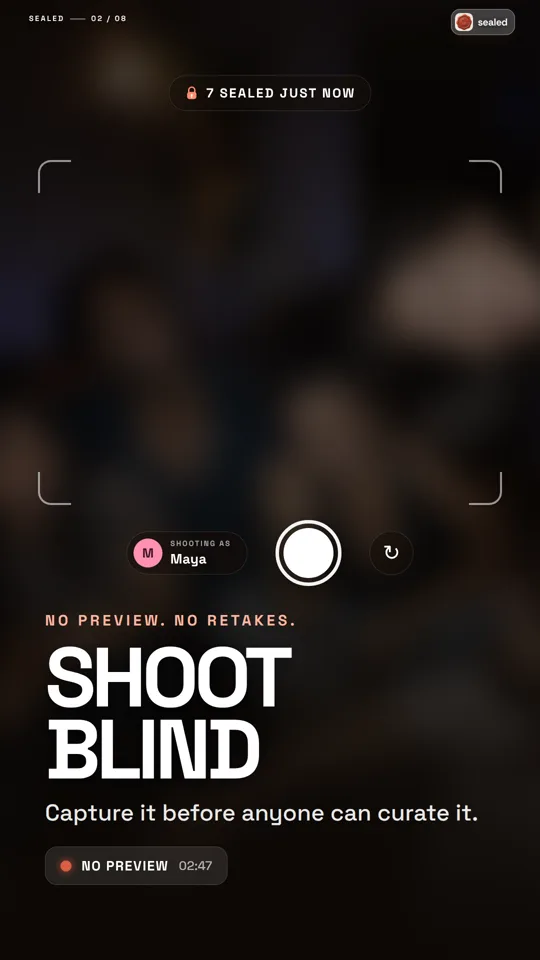
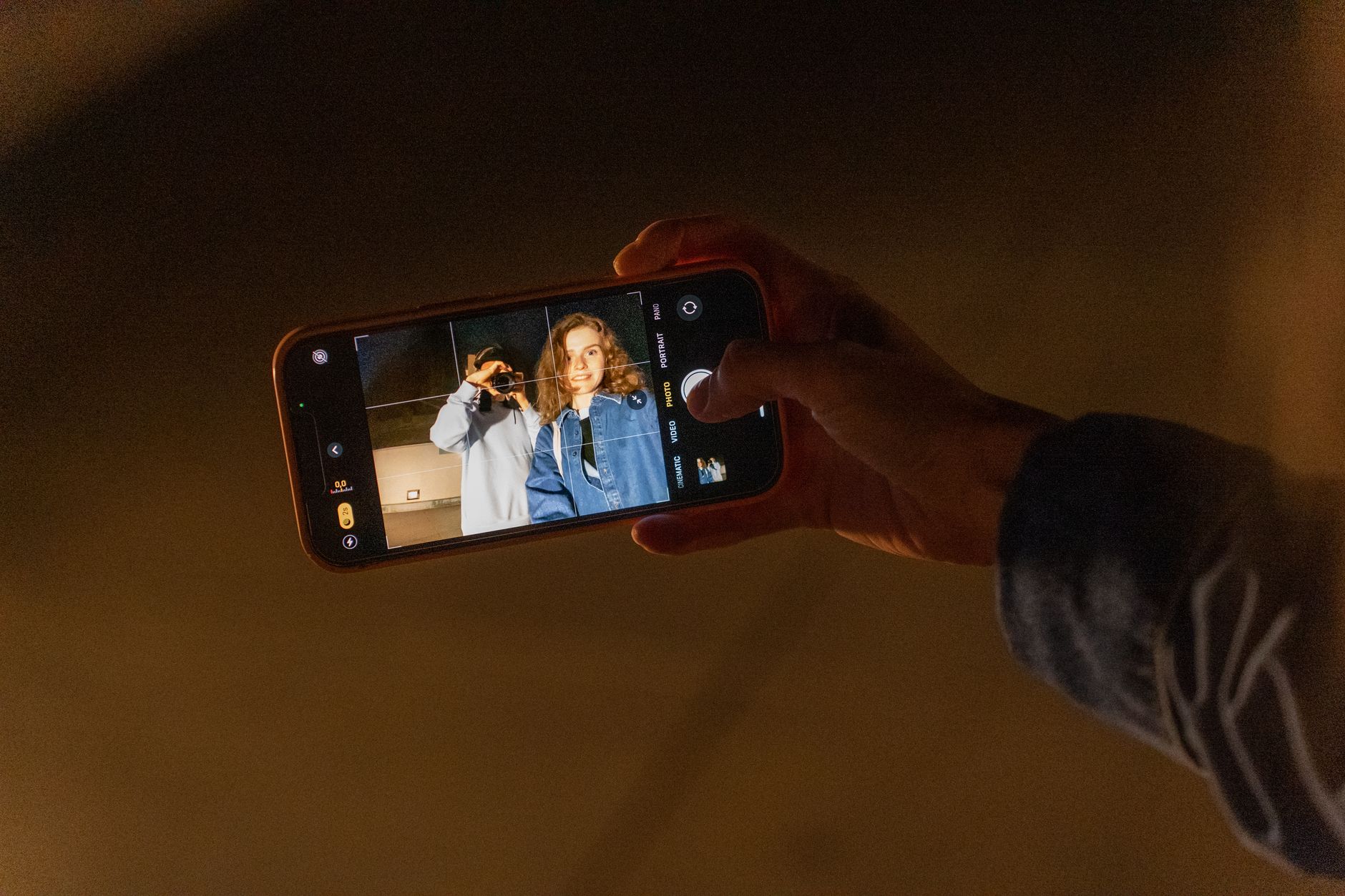
If the goal is a more relaxed group photo experience, a grainy filter alone won't get you there - the live-preview screen is what changes behavior, since people relax when they can't check how a shot looks the instant it's taken. An app that holds back the reveal until later removes that checking loop entirely, which is the more meaningful design choice compared to a visual filter.
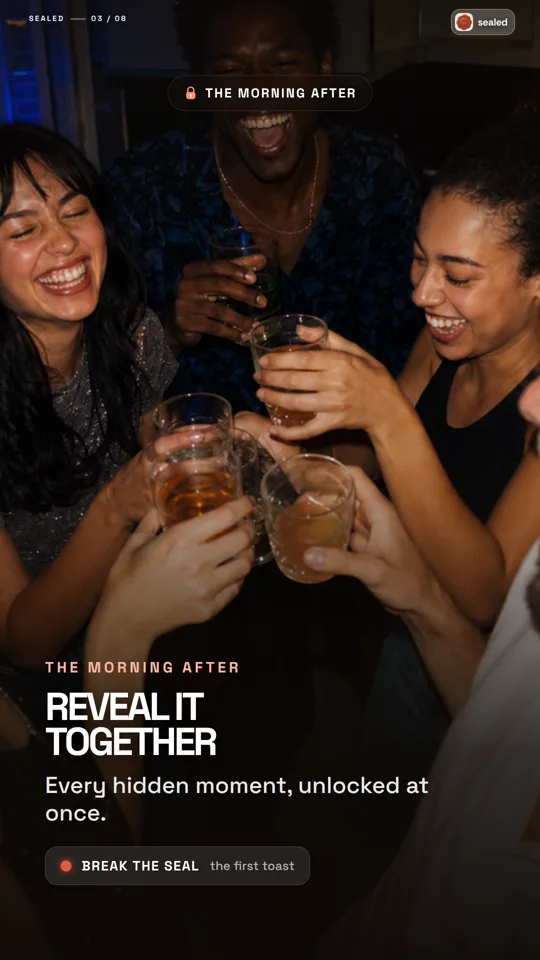
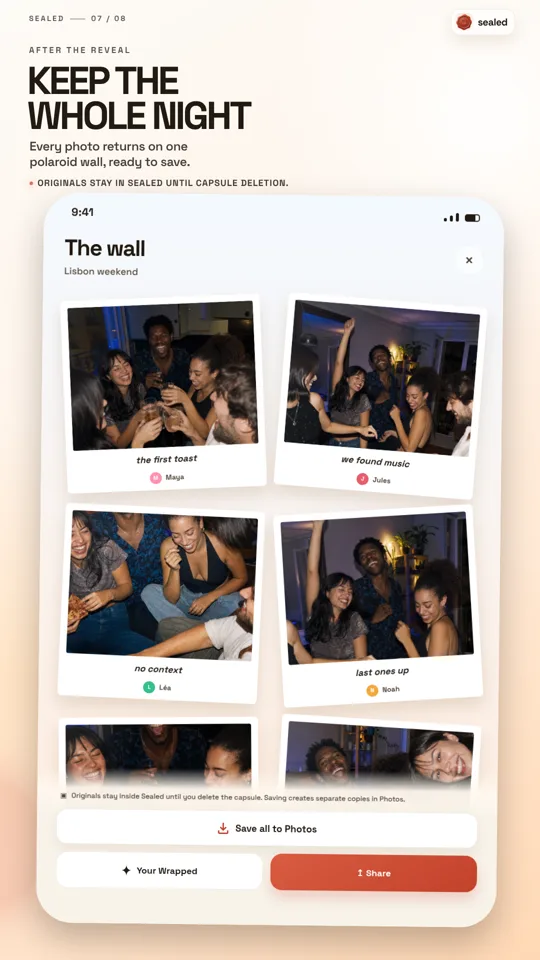
This is the underlying idea behind Sealed, a group photo capsule built around delayed, shared reveal - everyone shoots, nobody peeks, and the group opens the photos together later. It's one example of how the delayed-reveal principle gets implemented, not a claim about how every disposable-style app behaves, since implementations vary.
Consent and identifiability come before the app choice
Before picking any app, the more important question is whether everyone in the frame is comfortable being photographed and having those photos shared later, especially with a delay where people can't immediately see and veto a shot of themselves. Consent matters more with delayed reveal, not less, because participants are agreeing to be photographed without the ability to review and ask for a retake or deletion right away.
A practical habit: at the start of an event, say out loud (or in a group chat) that photos will be shared later as a set, and give people a chance to opt out or flag sensitive moments in advance. This is a low-friction step, and it matters more with minors or in settings where someone might not want to be identifiable - worth a moment's thought before the group starts shooting, regardless of which app is used.
A concrete example: comparing three approaches for a weekend trip
Here's a worked hypothetical to make the tradeoffs concrete. Imagine four friends on a weekend trip who want a shared record of the trip without turning it into a running photo-editing session.
Option A - each person's default camera roll, shared in a group chat as they go. This gives immediate results but means every photo is reviewed and often re-taken by whoever's holding the phone, and the chat fills with duplicates and out-of-order images throughout the day.
Option B - a shared album, such as Apple's Shared Albums feature in Photos, where everyone adds their shots as they take them. This centralizes the collection well, but because photos appear in the album as soon as they're added, it doesn't remove the live-preview pressure - people still see and curate their own shots before adding them.
Option C - a delayed-reveal app like Sealed, where photos are collected during the trip but nobody, including the person taking the shot, can review them until the group opens the set together at the end. This is the option that most directly targets the 'nobody peeks' goal, at the cost of not being able to check exposure or framing in the moment, which some people may find inconvenient for a weekend where lighting is tricky.
A short checklist before you download anything
Rather than chasing the most-downloaded disposable camera app iphone search result, it's more useful to check a short list of practical points against your actual group and occasion.
Use this as a starting filter, not a final decision:
- Does the app genuinely delay viewing, or just apply a filter to photos you can already see?
- Has everyone in the group agreed to be photographed and to a later, shared reveal?
- Is there a plan for what happens to sensitive or unwanted shots before the reveal - can someone flag or remove a photo of themselves?
- Does the app's privacy and terms information (and any child-safety information, if minors are involved) match what your group needs?
- Is the current App Store listing, language and pricing verified directly in the store rather than assumed from an article or ad?
What editorial coverage can and can't tell you
It's worth being upfront about the limits of this kind of article. Any description here of how a delayed-reveal app works is a general explanation of a product category and design idea, not a report of hands-on testing or measured outcomes - no study or comparative testing is being claimed. Details like store availability, supported languages, and current pricing change over time and by region, so they should always be checked on the current App Store listing rather than taken as fixed facts from any article, including this one.
Similarly, mentions of specific tools such as Apple's Shared Albums or Sealed are included only because they help answer the specific question of how to get a group photo experience with less live-preview pressure - not as an endorsement or a claim that one is objectively better for every group.
Frequently asked questions
Does a disposable camera app on iPhone actually hide photos from the person taking them?
It depends on the app. Some apps only add a vintage filter while still showing the photo immediately, which doesn't change viewing behavior. Others are built around a genuine delay, where the photo isn't viewable by anyone, including the photographer, until a later shared reveal - that distinction is the main thing to check before assuming an app will change how a group behaves.
How should a group handle consent when using a delayed-reveal photo app?
Agree in advance, ideally out loud or in a shared chat before shooting starts, that photos will be shared later as a set and that anyone can flag or ask to remove a photo of themselves. This matters more with delayed reveal than with instant photos, since people can't review and object to a shot of themselves right away, and it's especially important if minors are present.
Is a shared album the same thing as a delayed-reveal disposable camera app?
No. A shared album, like Apple's Shared Albums in Photos, centralizes a group's photos in one place, but photos typically still appear as soon as they're added, so people can review and curate their own shots before sharing. A delayed-reveal app withholds viewing for everyone until a later moment, which is a different behavioral effect even though both can result in one shared collection.
Sources and further reading
These resources provide the wider reference frame. Product statements on this page are limited to the public information provided by Sealed.